Research

‘If you want to improve the world,
start by making people feel safer’
— Dr Stephen Porges
At Roots4Learning we are guided by neuroscience and the impact this can have on our ability to learn
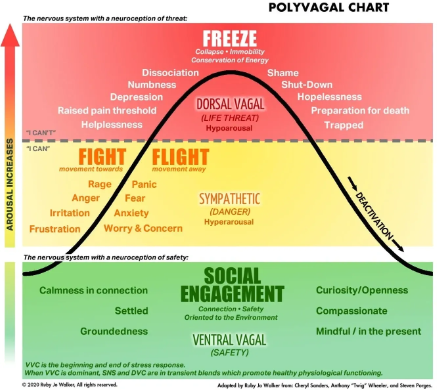
Social Engagement System and The Polyvagal Theory
At Roots we use the work of Dr Stephen Porges and the Polyvagal Theory. When we first meet our students they can be in a state of freeze/flight/fight. When their bodies are feeling this sense of threat it is almost impossible to start learning. Initially our aim is to support students to feel safe, which then enables them to function within the social engagement system.
We work hard to attune to our students' needs and quickly try to understand what can move them between the different states. We regularly check in with parents/carers to understand the various stressors and calmers throughout the week. We want to create a shared language and practice that best supports each student and their family.

The P.A.C.E Approach
PACE is an approach developed by Dr Dan Hughes, an American psychologist. PACE stands for Playfulness, Acceptance, Curiosity and Empathy. At Roots4Learning all staff use these principles to promote the experience of safety in our interactions with young people.
Children need to feel that you have connected with the emotional part of their brain before they can engage the thoughtful, articulate and problem solving areas. Appropriate age based play is used throughout our work at Roots4Learning, this encourages curiosity, social development and has many other physical and mental benefits.

“Interpersonal experience shapes the mind as it continues to develop... Interactions with the environment, especially relationships with other people, directly shape the development of the brain's structure and function”
— Dan Siegel